
Loading...
Serving Carmel, NY and surrounding areas. (845) 413-0899
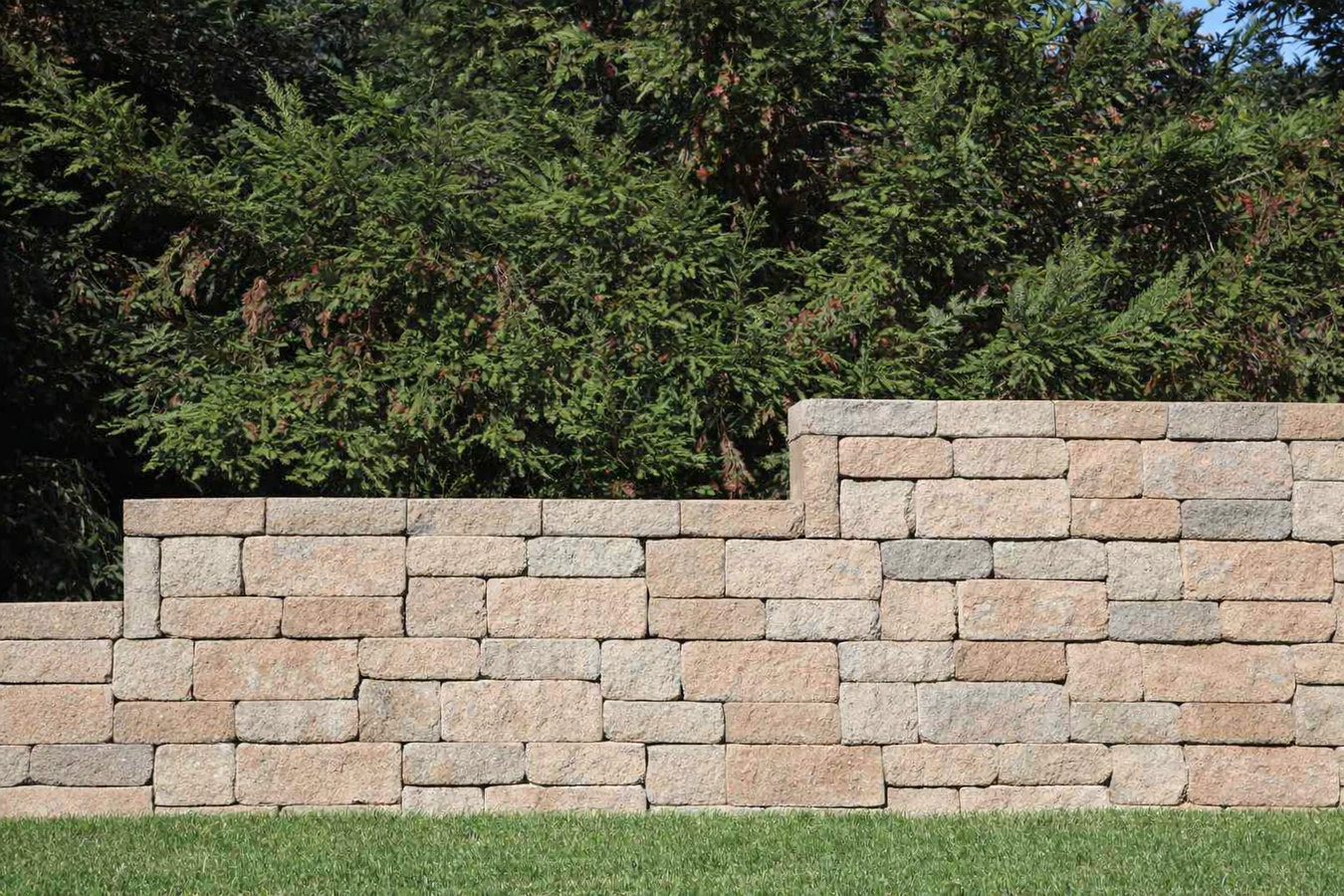
Carmel slopes lose soil every spring, and an aging wall will only lean further each winter. We build stone and block retaining walls set below the frost line so your yard stays put for decades.
Retaining wall construction in Carmel, NY means building a stone or concrete block structure to hold back soil on a slope, stop erosion, and redirect water away from your foundation - most residential projects take two to five days depending on wall length, height, and how much rock the crew encounters in Putnam County's notoriously challenging soil.
If your slope is losing soil after every rain, if an existing wall is starting to lean, or if you have a steep bank you have been looking at for years wishing it were flat - a retaining wall is the fix. Carmel's hilly terrain and heavy spring rainfall make this a common project in the area, and a wall that is built correctly will handle decades of wet springs and hard winters without needing to be replaced.
Homeowners dealing with erosion near paved surfaces often find that masonry restoration addresses related surface damage at the same time. We look at the full property context during the estimate so nothing gets missed.
If you see bare patches, ruts, or small piles of dirt moving down your hillside after a rainstorm, the soil is on the move. In Carmel, where annual rainfall is high and slopes are common, this kind of erosion gets worse each season - not better on its own.
A wall that is starting to tilt forward or has visible cracks running through it is telling you the pressure behind it has become too much. This is especially common in Carmel with older walls built before modern drainage practices, where freeze-thaw cycles accelerate the damage every winter.
If water collects against your house after a heavy rain or during the spring thaw, a slope nearby may be directing it toward your home instead of away from it. Over time, that water can work into your basement or crawl space - a retaining wall can redirect that flow.
Many Carmel homeowners have hillside lots where a large portion of the yard is too steep to mow, plant, or use. A retaining wall creates a level terrace - usable space for a garden, patio, or lawn. If you have been looking at a steep bank and wishing it were flat, that is exactly what a wall is designed to solve.
We build retaining walls from natural stone, concrete block, and fieldstone - chosen based on the wall's function, your property's aesthetic, and the load it will need to hold. Every wall we build includes a compacted base set below the frost line, gravel backfill, and a drainage pipe behind the wall to carry water away rather than let it build up and push. That drainage layer is the part most homeowners never see, but it is what determines whether a wall lasts 10 years or 50. For homeowners with aging or failing block walls, we also offer our concrete block wall service when the scope calls for structural block construction over decorative stone.
For properties where the retaining wall ties into broader masonry work - a patio surround, a stepped terrace, or exterior wall repairs - we coordinate the scope with our masonry restoration team so the finished result looks and performs as a unified system. We also handle permits with the Town of Carmel Building Department from start to finish, including coordinating the inspector's final visit - so the wall is on record and fully above board before we leave your property.
Best for properties with active erosion, unstable slopes, or an unusable hillside the homeowner wants to terrace into level space.
Right choice when an older wall - especially pre-1990 timber or dry-stacked stone without drainage - has reached the end of its useful life.
For walls that have shifted slightly and can be corrected before the tilt becomes a full replacement job.
Suited to steeper lots where a single wall would be too tall, using two or more shorter walls to step down the slope in stages.
Combined with wall construction for properties where water direction is the root cause of slope instability or foundation moisture.
Carmel is part of the Hudson Highlands, a landscape defined by rolling hills, exposed bedrock, and shallow rocky soil. Putnam County averages around 50 inches of precipitation per year, and spring snowmelt adds a surge of water moving through saturated soil every March and April. A slope that looks stable in July can be actively eroding by May. Homeowners in Mahopac and throughout the Town of Carmel deal with these conditions on wooded hillside lots where much of the development happened in the 1960s through 1990s - often without modern drainage standards. Many older timber or dry-stacked stone walls from that era are now at or past the end of their useful life.
Carmel's winters make wall construction more demanding than it would be in a warmer climate. Frost depth in Putnam County reaches around 36 inches in a hard winter, which means every wall foundation needs to go deep enough that freezing ground cannot get underneath it and push it out of alignment over the seasons. Contractors who have not worked in this specific climate underestimate that requirement regularly. Homeowners in Peekskill and nearby communities face the same frost-depth demands, and we bring the same standard to every project across the service area.
We respond within one business day. A slope or drainage issue cannot be accurately priced from a photo - we schedule a free site visit so we can see the grade, the soil, and any existing wall before giving you a number.
We walk the slope, check how water moves across the property, and look for anything unusual like buried utilities or ledge rock. You get a written estimate that breaks down materials, labor, drainage, and permit costs before we leave.
If your wall requires a permit from the Town of Carmel Building Department - and many do - we handle the application and explain the timeline. A typical permit adds a few weeks before work begins, and we factor that into the schedule upfront.
We excavate to below the frost line, set the base, build the wall with drainage behind it, and grade the surrounding soil when the wall is complete. If a permit was pulled, we coordinate the town inspector's visit and close out the permit in your name.
Free on-site estimate. Written quote before we leave. Permits handled from start to finish.
(845) 413-0899Every wall we build has its base below the frost line - approximately 36 inches in Putnam County. That is the single most important factor in whether your wall stays straight through a decade of hard winters, and it is a step that contractors unfamiliar with this climate often skip.
We manage the permit application with the Town of Carmel Building Department, coordinate the inspector's final visit, and close out the permit in your name. Work that is permitted and inspected protects you if you ever sell the home and gives you recourse if anything goes wrong.
Carmel's Hudson Highlands soil is rocky, uneven, and sometimes hits ledge a few feet down. We assess ledge risk during the site visit and are upfront about what excavation might involve - before work starts, not after the bill has grown.
Every wall we build includes gravel backfill and a drainage pipe behind it. Most wall failures come from water pressure building up behind the structure - proper drainage is what prevents that. We do not build walls without it.
The Mason Contractors Association of America (masoncontractors.org) sets professional standards for masonry construction, and Putnam County's Soil and Water Conservation District (putnamcountyswcd.org) oversees erosion and drainage practices locally. We build to both standards on every retaining wall project in Carmel and the surrounding area.
Repair and restore aging masonry surfaces near your retaining wall for a finished, consistent result across the full project.
Learn MoreStructural block wall construction for homeowners who need load-bearing performance alongside the retaining function.
Learn MoreContractor schedules in Putnam County book fast once the ground thaws - contact us now to lock in your start date and get a written quote before the season gets away from you.